
That first hiss from the cooker tells you something good is happening. You got the sealing ring right, the steam's building, and that pressure build gets you kinda pumped. It means the food inside? Well, it's working hard to soak up flavors real fast.
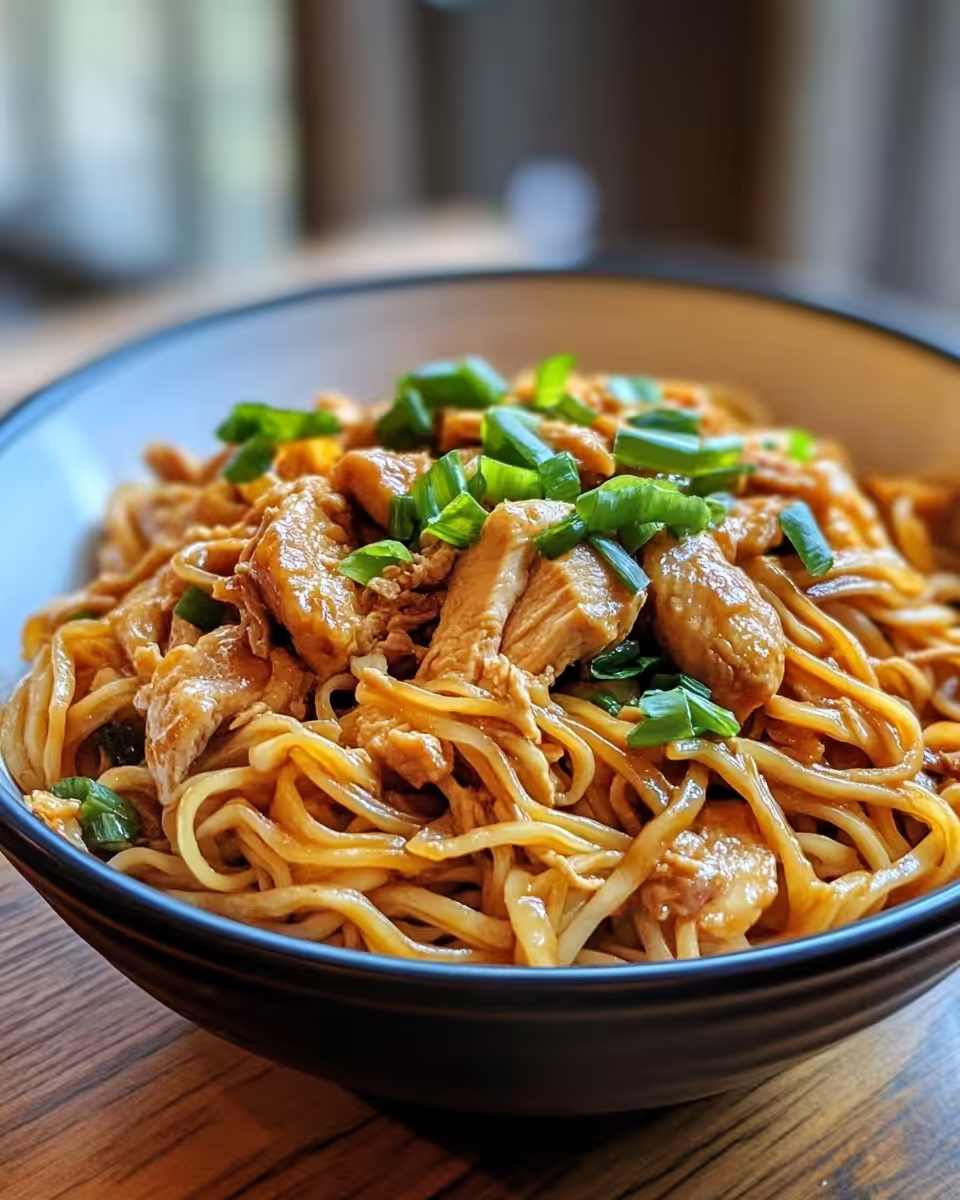
You recall how waiting for dinner sometimes feels like forever. But with pressure cooking, you watch for that steam cues and valve hiss, and suddenly things move quick. The cupboard smells start sneaking out and you just know dinner's close.
The best part is how it locks in juices and keeps your chicken tender, while the noodles soak up the sauce good. You sense the steam swirling inside, doing the heavy lifting so your hand stirring is way less. It’s a dang solid kitchen win.
What Makes Pressure Cooking Win Every Round
- You cut your cooking time down big time, like from an hour to just minutes.
- The sealing ring traps flavor and moisture so your food's never dry or bland.
- Cooking noodles and veggies together works great; everything gets done just right.
- Natural release lets things settle slowly so meats stay juicy and tender.
- The valve hiss lets you know when pressure's built so no guessing games.
- Easy clean up cause it all cooks in one pot and no splatter mess.
- You save on energy since it uses steam heat so fast.
Everything You Need Lined Up
- 200g chicken breast or thigh fillets, thinly sliced. You can tenderize it if you want extra soft bites.
- 4 cups green cabbage, finely shredded. Crunchy greens are a must to balance noodles.
- 1 ½ tablespoons peanut oil or whatever oil you like for stir-frying.
- 2 cloves garlic, finely chopped to wake up the pan.
- 200g chow mein noodles, cooked and drained. Follow your packet for that bit.
- 1 carrot, julienned thin to add that sweet crunch.
- 1 ½ cups bean sprouts, fresh and crisp.
- 3 green onions, cut into pieces about 2 inches long for that mild oniony kick.
- ¼ cup water to help the sauce come together silky smooth.
Plus you gotta prep a sauce mix with soy sauce, oyster sauce, Chinese cooking wine or mirin, sugar, sesame oil and cornstarch. That sauce? It kinda pulls everything together with a sweet, salty, a lil umami yum.
Your Complete Cooking Timeline
Start by tossing the chicken with a teaspoon soy and cornstarch in a bowl. Let it hang out for 10 minutes, marinate so the flavors sink in.
While the chicken’s waiting, mix your sauce in a bowl with the rest of the soy, oyster sauce, sesame oil, sugar, water, and cornstarch. Set that aside ready to go.
Cook your chow mein noodles the way the package says. Drain 'em and put them aside for now. You gotta keep everything moving smoothly later.
Heat a tablespoon of oil in your wok or skillet over high heat. Toss in your chicken and stir-fry fast for like 2-3 minutes till it’s nearly cooked through. Take it out and set it aside on a plate.
Add the last bit of oil now with your garlic and green onions. Stir-fry for about 30 seconds so they smell amazing.
Chuck in your carrot and cabbage. Stir-fry for 2-3 minutes till they soften just enough to be tender crunchy. Then bring back the chicken and noodles, pour that sauce over, and toss it all together till it's hot and saucy. Finally stir in bean sprouts and green onions quick for one last toss, just a minute.
Valve Hacks You Need to Know
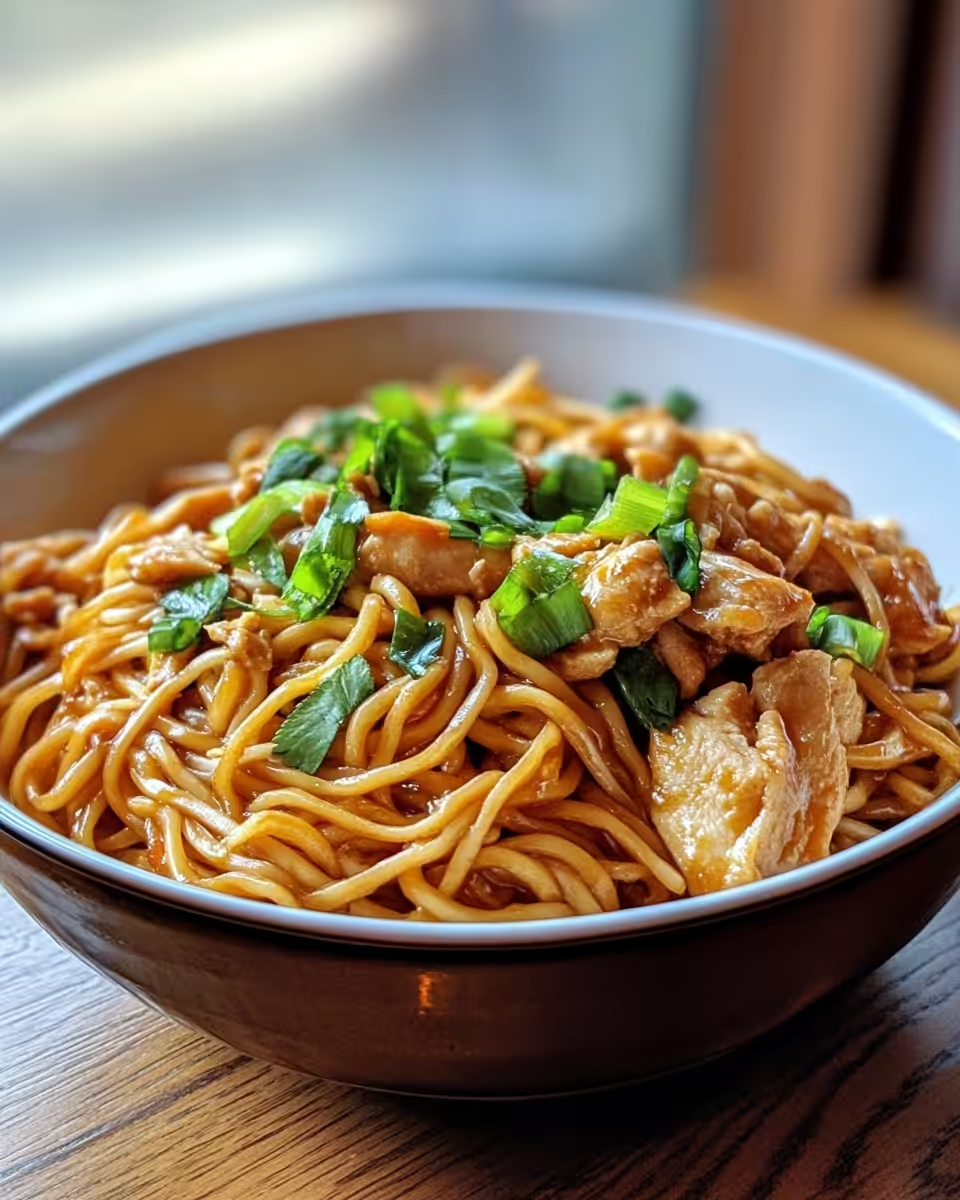
- Before you seal the lid, make sure the sealing ring is perched right no gaps. That’s key for proper pressure build without leaks.
- If your valve starts hissing too loudly, turn the heat down a tad. You want steady steam cues not a furious roar.
- When time’s up, use natural release to keep meat tender, but if you’re in a rush, quick release works too just be careful of the dang hot steam.
- Use a wooden spoon to gently nudge the valve open if it’s stuck after cooking. Sometimes all it needs is a lil patience and some gentle coaxing.
When You Finally Get to Eat
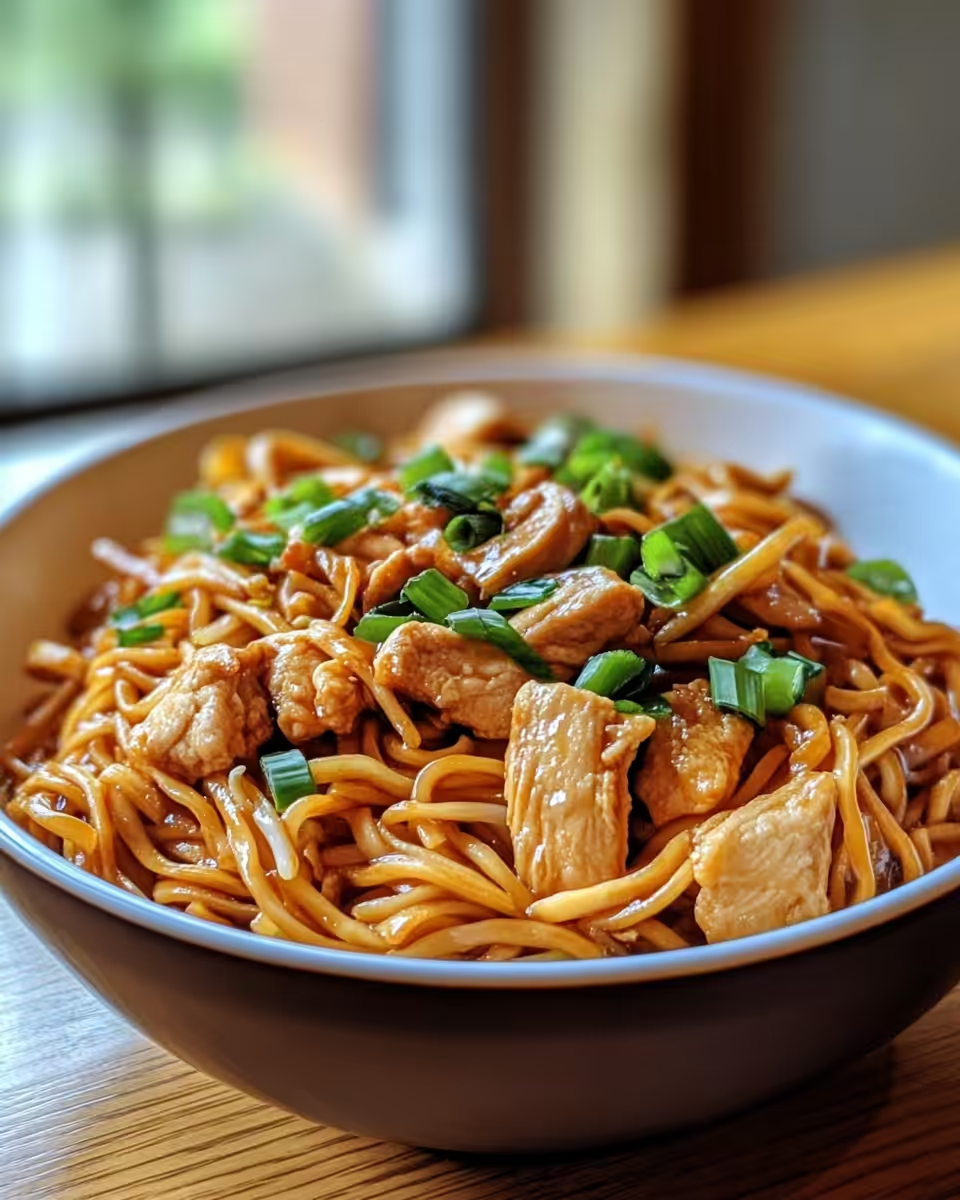
You plate up and right away you’re hit with that rich soy and oyster sauce aroma. The chicken's tender but with a little bite from the veggies to keep it fresh and lively.
The noodles soak in the sauce just right, not mushy at all. You remember the steaming and tossing and it all paid off. Each bite’s a mix of soft, crunchy, and saucy, just how chow mein should be.
That sesame oil finish gives a nutty warmth under all the other aromas. And the little pop of white pepper wakes up your taste buds just right, making every mouthful kinda addictive.
Smart Storage That Actually Works
- Store leftovers in airtight containers in the fridge and try to eat within 2 days for best texture.
- You can freeze the chow mein but freeze it without bean sprouts and green onions cause they get soggy when thawed.
- When reheating, add a splash of water or soy sauce to loosen the noodles up. Heat gently in a pan or microwave.
- If you wanna keep veggies crunchy next time, add bean sprouts and green onions only when reheating or right after you heat it for max freshness.
Common Questions and Real Answers
- Can I use beef or shrimp instead of chicken? Yeah you totally can. Shrimp cooks quicker so watch the time. Beef works good sliced thin and cooks up tender fast in a pressure cooker.
- How do I stop noodles from getting mushy? Cook noodles separately like the recipe says and drain well. Don’t overcook inside the pressure cooker, toss in cooked noodles at the end so they keep some texture.
- Is it okay to skip the cooking wine? You can swap it for mirin or even just a splash of water with a pinch of sugar for some sweetness.
- What if my pressure cooker valve won’t release? First try natural release a bit longer. If it’s still stuck, unplug it if electric, or run cold water over the lid (if stove top) to help drop pressure safely.
- Can I add other veggies? For sure. Bell peppers, snow peas, or mushrooms go great in this dish. Just stir-fry them with the cabbage and carrots.
- Does the sesame oil need to be toasted? Nah, you can use regular sesame oil but toasted gives a deeper flavor so it kinda depends on what you like.
Chow MeinNagi Pressure Cooker Recipe
Equipment
- 1 Wok or large skillet for high heat stir-frying
Ingredients
Main ingredients
- 200 g Chicken breast or thigh fillets thinly sliced
- 4 cups Green cabbage finely shredded
- 1 ½ tablespoon Peanut oil or other cooking oil
- 2 cloves Garlic finely chopped
- 200 g Chow mein noodles cooked and drained
- 1 Carrot julienned
- 1 ½ cups Bean sprouts
- 3 Green onions cut into 2 inch pieces
- ¼ cup Water
- 2 teaspoon Cornstarch
- 1 ½ tablespoon Soy sauce all purpose or light
- 1 ½ tablespoon Oyster sauce or hoisin
- 1 ½ tablespoon Chinese cooking wine or mirin
- 2 teaspoon Sugar
- ½ teaspoon Sesame oil
- White pepper to taste
Instructions
Instructions
- Marinate sliced chicken with soy sauce and cornstarch. Let sit for 10 minutes.
- In a bowl, mix soy sauce, oyster sauce, sugar, sesame oil, water, cooking wine, and cornstarch to make the sauce.
- Prepare and drain noodles according to package instructions.
- Heat some oil in wok on high. Stir-fry chicken for 2-3 minutes until nearly cooked. Set aside.
- Add remaining oil along with garlic and green onions. Stir-fry 30 seconds.
- Add in carrot and cabbage. Stir-fry for 2-3 minutes until softened.
- Return chicken and noodles to pan. Pour sauce over mixture and toss together for about 1 minute on high heat.
- Add bean sprouts and green onion tops. Toss briefly until just wilted, about 30 seconds.
- Remove from heat and serve immediately.
Leave a Reply