
That first hiss from the cooker tells you something good is happening. You remember the sound from your first pressure cooker attempt, and yeah it’s kinda thrilling. That steam sounding off means the pressure build is starting, and you start feeling hopeful that the meal’s gonna turn out right.
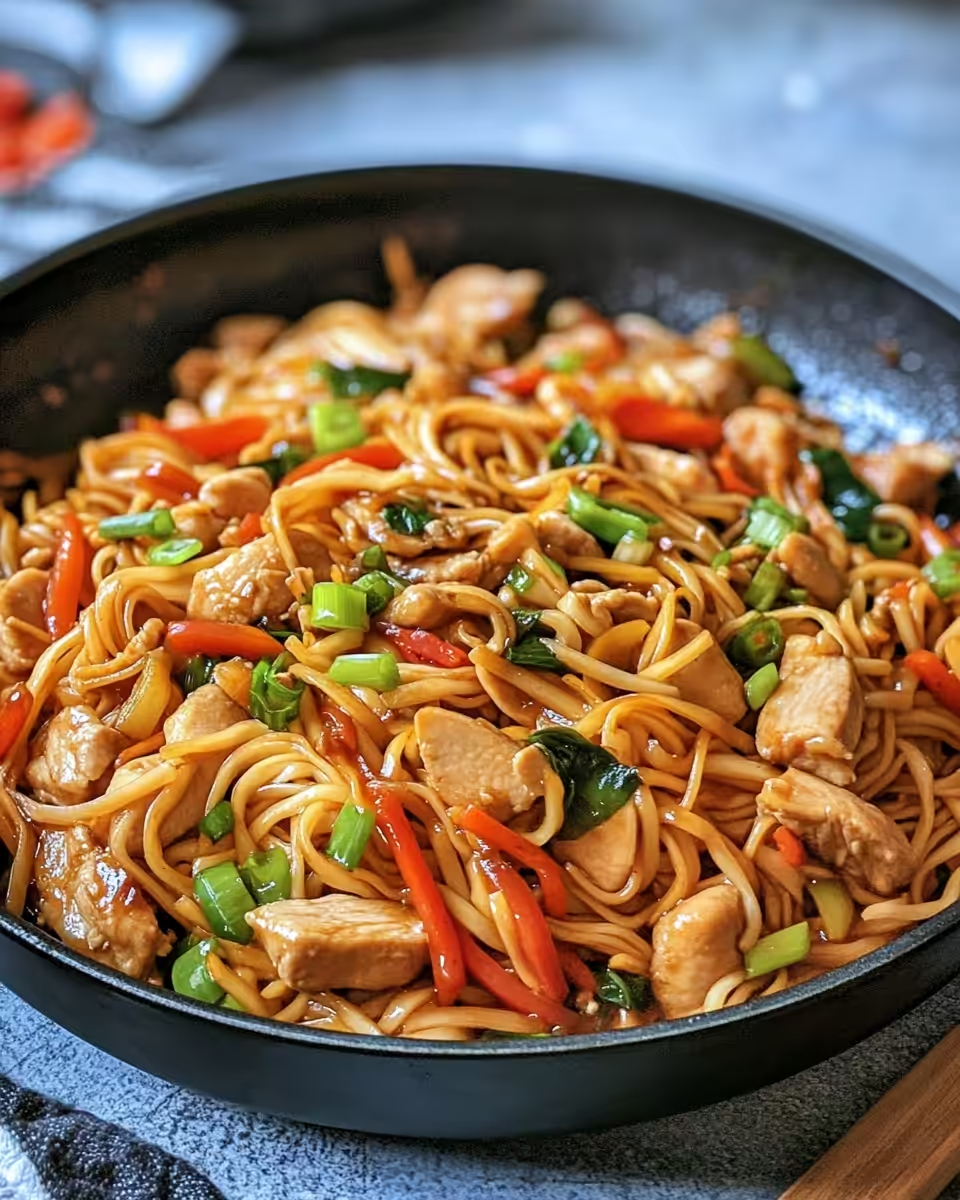
When you hear that hiss, you know the cooker’s working hard to get everything tight and sealed inside. You sense the flavors beginning to mingle. It’s like a little secret happening within the pot, cooking up the broth depth and the tender pull of meat y’all love.
You recall how waiting for the natural release can take a bit longer, but it’s worth it. It lets the cooker slow release all that pressure and finish the cooking gently. Your patience kinda pays off when you finally lift the lid and smell that authentic Chinese aroma wafting through your kitchen.
The Truth About Fast Tender Results
- Pressure cooking gets you chicken and noodles tender real quick without drying out the meat.
- You don’t have to baby the pot much once it’s sealed; it’s mostly hands-off cooking.
- Vegetables keep their crunch better cause they’re not simmered forever.
- The broth depth gets sealed in, making sauces taste more rich and robust.
- You gotta watch timing closely; too long leads to mushy noodles or veggies.
- Natural release is your friend for letting flavors develop fully while avoiding overcooking.
- It’s a lifesaver for weeknight dinners when you want something hearty done fast.
What Goes Into the Pot Today
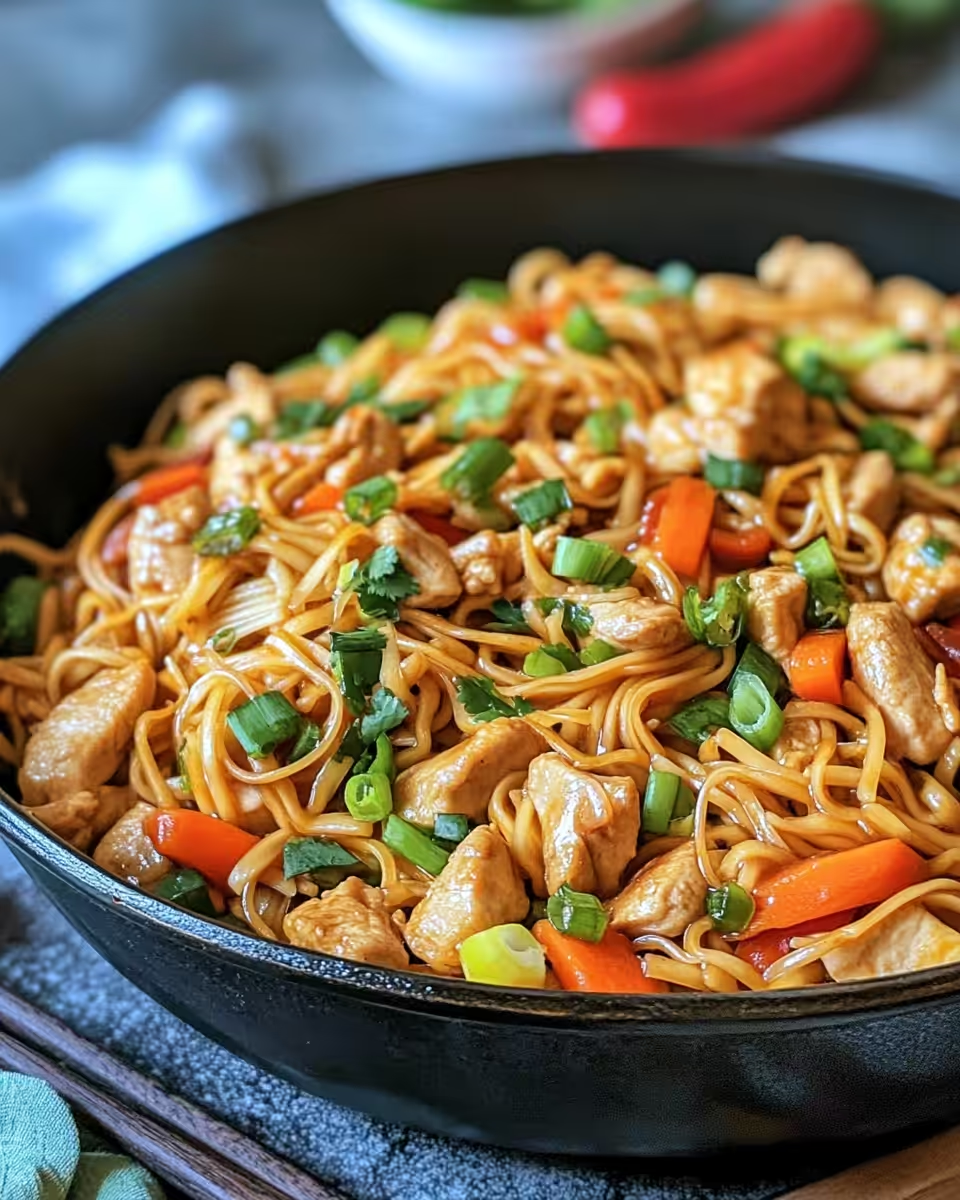
- 2 tablespoons vegetable oil that’s gonna help fry up the garlic and chicken just right.
- 1 pound boneless chicken thighs sliced thin so they cook fast and are tender in no time.
- 2 cloves garlic minced to bring that familiar punch of flavor.
- 1 tablespoon soy sauce adds that essential salty base.
- 1 tablespoon oyster sauce for a deep, slightly sweet umami pop.
- 1 teaspoon sesame oil, that last touch that makes it authentically aromatic.
- ½ teaspoon sugar and ½ teaspoon white pepper to balance out the flavors.
- 4 ounces chow mein noodles plus vibrant veggies like 1 cup shredded cabbage, ½ cup julienned carrots, ½ cup sliced bell peppers, and 2 chopped green onions for garnish.
Walking Through Every Single Move
First, you cook chow mein noodles according to the package instructions. Then you drain and set them aside, so they don’t get too mushy later.
Next up, marinate the sliced chicken with soy sauce, oyster sauce, sesame oil, sugar, and white pepper. Let it sit for 10 minutes so those flavors soak in.
Heat your pressure cooker’s sauté setting, add the vegetable oil, then toss in the minced garlic. Stir-fry it until it smells real fragrant, but don’t let it burn.
Dump in that marinated chicken and stir-fry until it’s cooked through and the meat’s got a nice tender pull.
Add in the cabbage, carrots, and bell peppers. Cook for about 3-4 minutes till veggies get just tender but still have some crunch.
Mix in the cooked noodles now. Stir everything together well so the sauce clings and the flavors combine.
Seal the pot and bring it to pressure. Once pressure build is achieved, cook for about 5 minutes.
Finally, let it go through a natural release to keep the textures right. Open the pot, garnish with chopped green onions, and you’re good to serve it hot.
Easy Tweaks That Make Life Simple
- You can prep the chicken slices the night before and keep them marinating in the fridge. Saves you time on cooking day.
- Swap chow mein noodles for rice noodles if you prefer a different texture.
- Use frozen pre-cut veggies to speed up your prep when you’re in a rush.
- If you don’t have oyster sauce handy, a splash of hoisin sauce works just fine for that sweet umami flavor.
That First Bite Moment
You pick up your chopsticks, and that first bite hits with tender chicken soaked in savory soy and oyster goodness. You notice the chicken’s juicy and has that subtle sesame oil aroma you love.
The noodles are springy but soak up all those lovely flavors from the broth depth. The veggies add a crunchy burst that keeps the dish balanced and fresh.
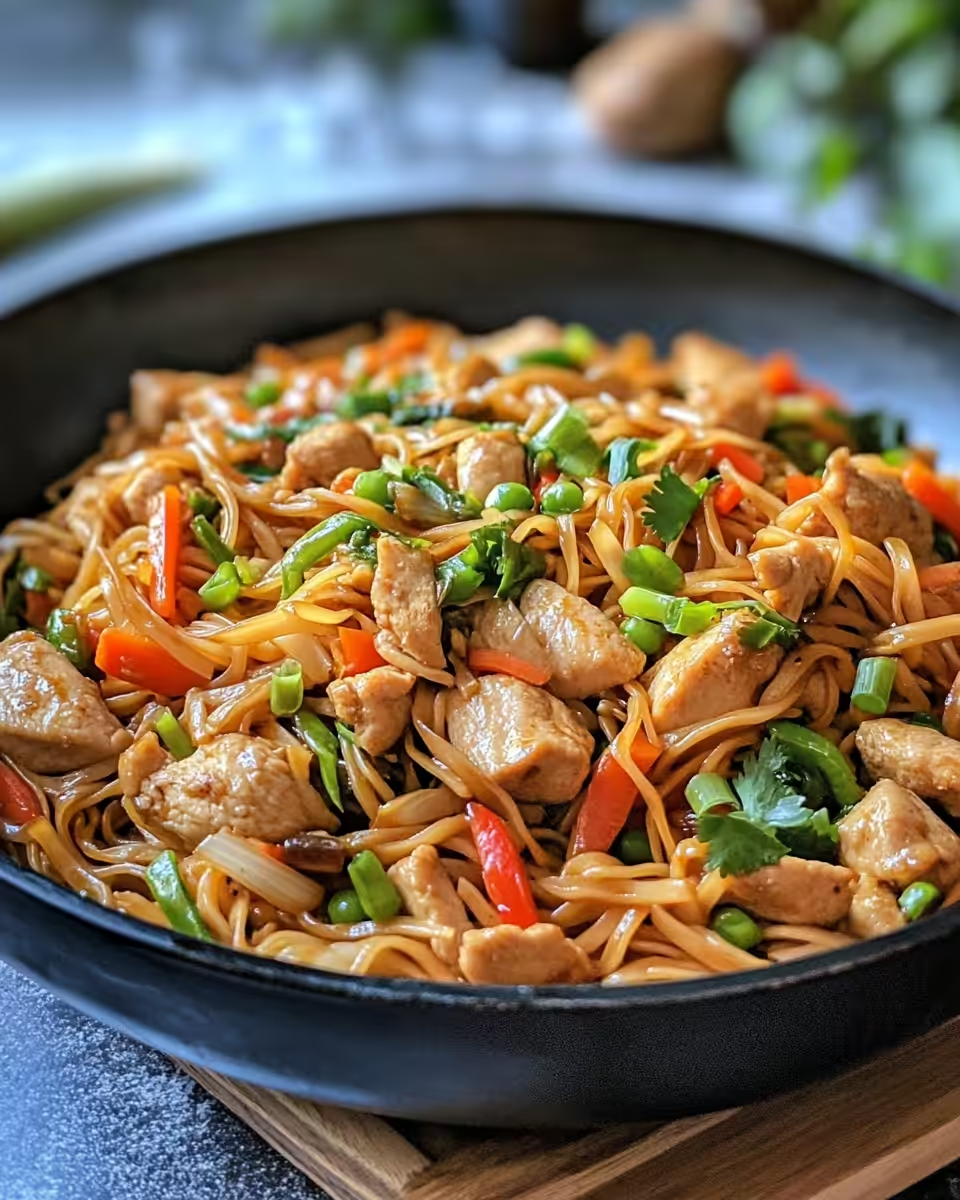
It’s like your kitchen smells like a street market in China, and all those little flavors dancing on your tongue remind you why you keep coming back to this recipe again and again.
Making It Last All Week Long
Store your leftovers in airtight containers in the fridge to keep the textures nice. The noodles might soak up extra sauce overnight, which can be good or not, depending on how you like it.
To reheat, add a splash of water or broth and heat in the microwave or on the stove. This helps loosen things back up and keep moisture.
If you want to freeze some, pack it well with a bit of extra sauce so it won’t dry out once thawed. Use within a month for best taste.
For a quick lunch, toss leftovers in a hot pan or wok with some fresh veggies and an egg for a re-made stir-fry that's fresh and tasty all over again.
Everything Else You Wondered About
- Q: Can I use chicken breasts instead of thighs?
A: Sure, but thighs stay juicier and have better tender pull in pressure cooking compared to breasts. - Q: What’s the difference between natural release and slow release?
A: Natural release means you just let pressure drop by itself, slow release is when you carefully vent pressure bit by bit to avoid mushiness. - Q: Can I make this vegetarian?
A: Yep, swap chicken for tofu and use veggie oyster sauce or soy only. Keep veggies fresh and crunchy. - Q: How do I avoid mushy noodles?
A: Cook noodles separately, don’t pressure cook with chicken to keep noodle texture nice, then mix in later. - Q: Is sesame oil necessary?
A: It’s not must-have but it adds that authentic fragrant touch you’ll notice right away. - Q: Can I double the recipe?
A: Yes but watch your pressure cooker’s max fill line; don’t overstuff or it won’t reach proper pressure build.
Dad's Authentic : A Chinese Chef's Secrets
Equipment
- 1 Pressure cooker
Ingredients
Main Ingredients
- 2 tablespoons vegetable oil
- 1 pound boneless chicken thighs sliced thin
- 2 cloves garlic minced
- 1 tablespoon soy sauce
- 1 tablespoon oyster sauce
- 1 teaspoon sesame oil
- 0.5 teaspoon sugar
- 0.5 teaspoon white pepper
- 4 ounces chow mein noodles cooked separately
- 1 cup shredded cabbage
- 0.5 cup julienned carrots
- 0.5 cup sliced bell peppers
- 2 green onions chopped, for garnish
Instructions
Instructions
- Cook chow mein noodles according to package instructions. Drain and set aside.
- Marinate sliced chicken with soy sauce, oyster sauce, sesame oil, sugar, and white pepper. Let sit for 10 minutes.
- Heat pressure cooker to sauté. Add vegetable oil and minced garlic. Stir-fry until fragrant.
- Add marinated chicken. Stir-fry until fully cooked and tender.
- Add cabbage, carrots, and bell peppers. Cook for 3–4 minutes until just tender.
- Add cooked noodles. Stir to combine and coat with sauce.
- Seal pot and pressure cook for 5 minutes. Use natural release. Garnish with green onions and serve hot.

Leave a Reply