
Steam curls up from the valve and your stomach starts talking back. You sense that familiar valve hiss just moments after locking your lid tight. It's like your pressure cooker's tellin you it's doing its thing, cooking your chicken stew real good and fast.
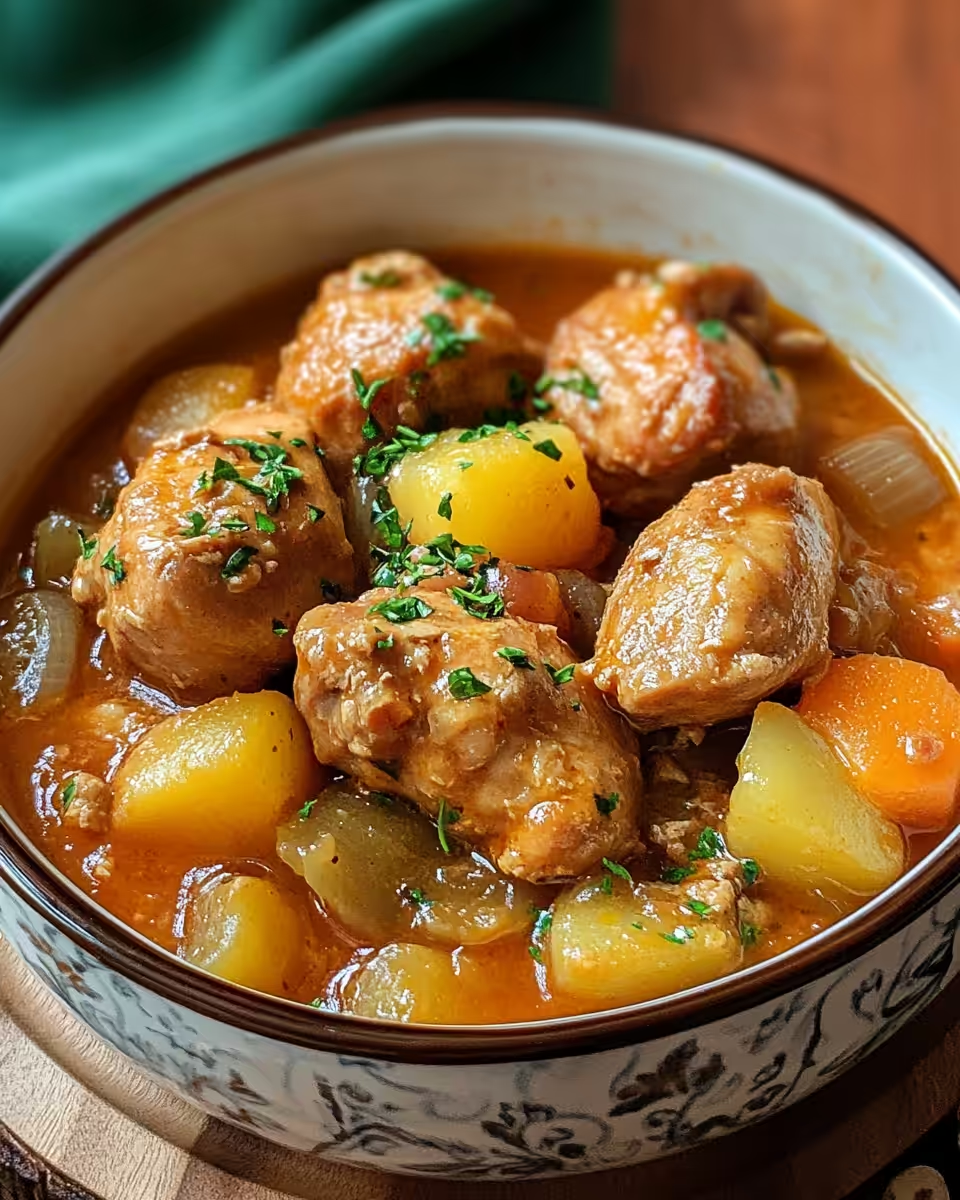
The smell starts creeping up the kitchen like a slow wave, thick and warm. You remember last time when this same scent got you so hungry you could hardly wait. The broth depth is just right, soaking into every corner of the tender chicken and veggies.
There's this float valve that tells you everything's sealed and safe. You kinda watch it float, knowing that means pressure's building up like it should. You notice the steam cues and feel that deep connection to your cooking process. It's not just stew, it's a comforting moment wrapped in your favorite pot.
Why Your Cooker Beats Every Other Pot
- Pressure builds up quickly, cutting your chicken stew cook time significantly.
- Locking lid with float valve ensures no flavors escape, keeping stew rich and bold.
- Broth depth stays consistent, helping vegetables and chicken soak up all the goodness.
- Steam cues and valve hiss give you real-time hints that things are cooking perfectly.
- Quick release lets you cool down fast, so you eat sooner and stew don’t overcook.
- One pot wonder saves you dishes, easy cleanup after a hearty meal.
The Complete Shopping Rundown
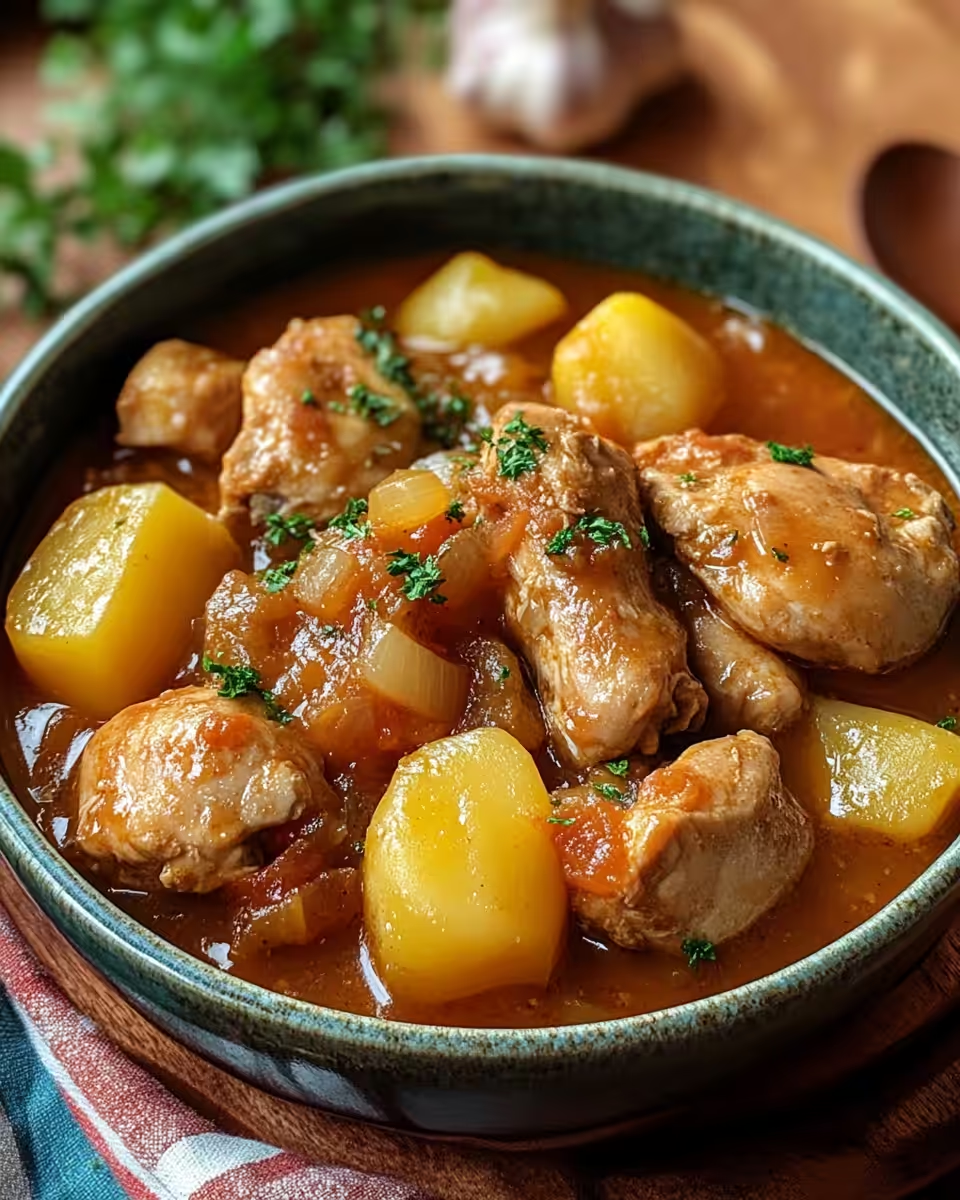
You gotta get these ingredients to make this stew pop. First off, 2 tablespoons butter for that rich base. Then grab 2 large carrots peeled and sliced into little coins so they cook evenly.
Don’t forget 1 stalk celery chopped up real fine. Seasoning’s important, so get some kosher salt and freshly ground black pepper to taste. For that garlic punch, you need 3 cloves minced good and fresh.
Whip out 1 tablespoon all-purpose flour to thicken your stew real nice. The meat star’s here with 1 ½ pounds boneless skinless chicken breasts. For some herby vibes, pick 3 sprigs fresh thyme and 1 bay leaf.
Potatoes are key—¾ pound baby ones quartered perfect size to soak in flavors. And last but not least, grab 3 cups low-sodium chicken broth so you control your salt game. Finish with some freshly chopped parsley for garnish that just brightens the bowl up.
The Exact Process From Start to Finish
Begin by melting the butter in your pressure cooker over medium heat. Once you see it’s all melted and bubbly, toss in the sliced carrots and chopped celery.
Season those veggies with kosher salt and black pepper. Cook them until they’re just softened, about 5 minutes should do it. Then stir in the minced garlic and let it cook for about a minute till it smells fragrant.
Sprinkle in your flour while stirring nonstop for about one minute. This cooks the flour so your stew won’t taste raw or funny. Now add the chicken breasts right on top along with fresh thyme sprigs and the bay leaf.
Pour in enough chicken broth to cover your chicken and veggies just right. That broth depth is key here to getting all ingredients happy. Lock your lid and watch for the float valve to pop up, sealing your stew tight.
Set your cooker to high pressure and cook for 20 to 25 minutes. Once done, use the quick release to let out steam—it’s a hiss you wanna hear so your chicken stops cooking.
Carefully open your lid and take out the chicken breasts. Shred them with two forks right back into the pot. Stir everything together and cook uncovered for 5 more minutes so flavors get cozy.
Give it a taste and add more salt or pepper if you need. Garnish with that fresh parsley and you’re ready to dig in, hearty, warm, and bursting with comfort.
Smart Shortcuts for Busy Days
If you’re pressed for time, use pre-minced garlic from the store to skip peeling and chopping. It works real good when you’re in a hurry but still wanna flavor.
Frozen diced carrots and celery are a lifesaver, just dump ’em straight into the pot without extra prep. They soften up quick in the cooker anyway.
Grab your chicken breasts pre-cut or thinly sliced to reduce shredding time later on. Less work and still tastes just as awesome.
Lastly, using store-bought low-sodium broth saves you making your own stock. It’s a real time-saver and keeps your stew tasting fresh and balanced every time.
When You Finally Get to Eat
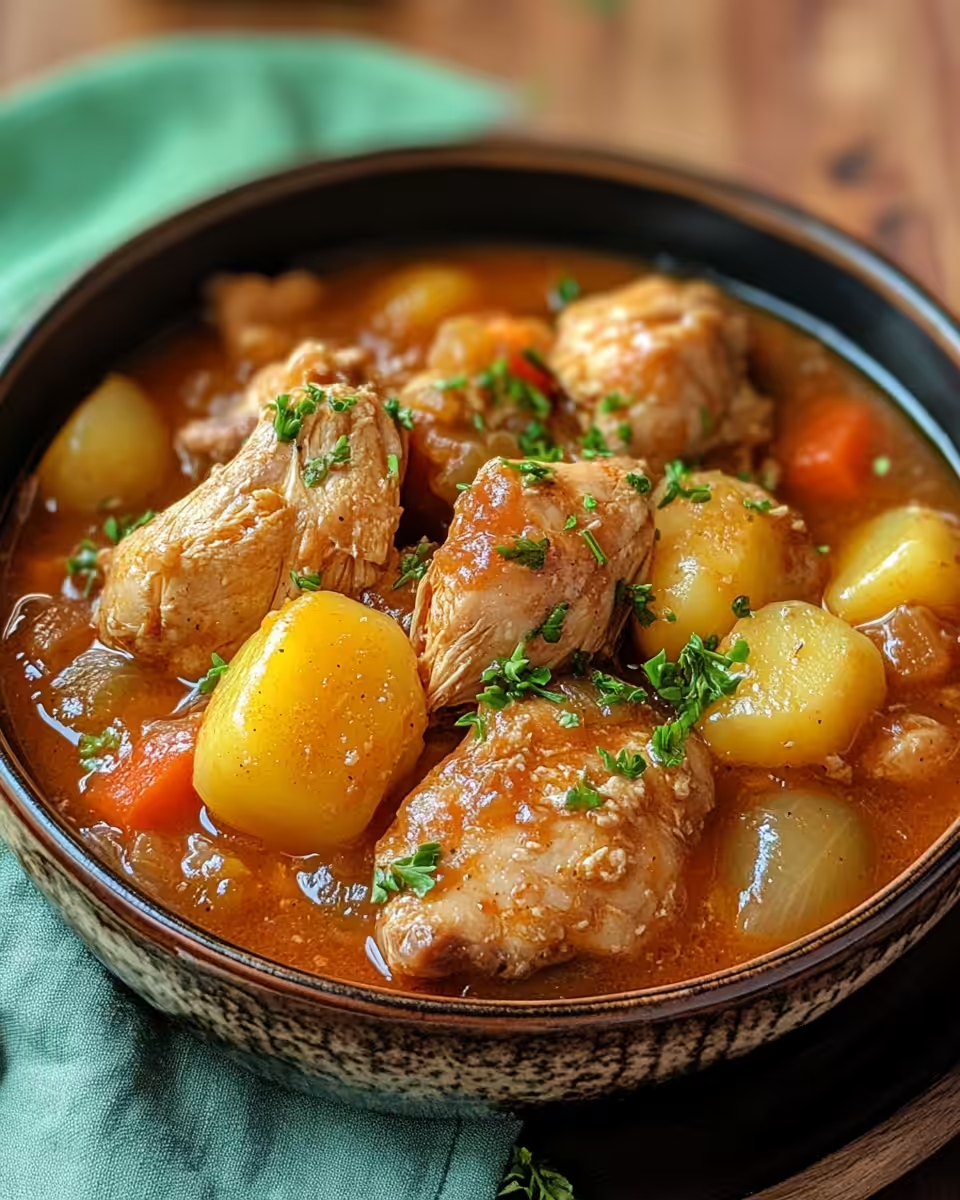
You notice that first bite is warm and comforting down to your bones. The chicken’s tender and juicy, soaked in rich broth full of herbs and seasoning.
The veggies are soft but not mushy, their slight sweetness mixing perfectly with the salty broth depth. You recall every step you took and it all feels like a hug on a plate.
As you finish your bowl, the parsley gives a nice fresh bite that lifts the whole dish. It sorta brings the whole meal together and you find yourself thinking about making it again real soon.
Your Leftover Strategy Guide
Got leftovers? No worries. First, store your stew in an airtight container in the fridge. It’ll last 3 to 4 days and actually taste better the next day when flavors get deep.
If you wanna freeze some, portion your stew out in freezer-safe bags or containers. Press out air to keep it fresh and freeze for up to 3 months. Thaw overnight in the fridge before reheating.
When reheating, do it slowly on the stove or in your microwave stirring occasionally. This keeps your broth depth nice and stops chicken from drying out. Just add a splash of water or broth if it gets too thick.
What People Always Ask Me
- Can I use bone-in chicken for this stew? Yeah, you can but you might need to increase cook time since bones take longer to get tender.
- What’s the best way to get a good float valve seal? Make sure the rim’s clean and no food bits are stuck before locking the lid. That float valve pops up quick when sealed tight.
- Can I add other veggies to the stew? Definitely, peas or green beans work great. Add them during last 5 minutes uncovered to keep ’em from overcooking.
- How do I do a quick release safely? I hold a kitchen towel over the valve so the steam hiss doesn’t burn my hand. Go slow and steady.
- Is it okay to use more broth than recipe says? You can but keep an eye on broth depth—it shouldn’t cover all ingredients too much or stew might turn watery.
- Why does my stew sometimes come out watery? Usually too much liquid or not enough flour cooked in. Make sure you stir flour well and watch broth depth closely before cooking.

Chicken Stew
Equipment
- 1 Pressure cooker with float valve
Ingredients
Main Ingredients
- 2 tablespoons Butter
- 2 Large carrots peeled and sliced into coins
- 1 stalk Celery chopped fine
- Kosher salt to taste
- Freshly ground black pepper to taste
- 3 cloves Garlic minced
- 1 tablespoon All-purpose flour
- 1 ½ pounds Boneless skinless chicken breasts
- 3 sprigs Fresh thyme
- 1 Bay leaf
- ¾ pound Baby potatoes quartered
- 3 cups Low-sodium chicken broth
- Fresh parsley chopped, for garnish
Instructions
Instructions
- Melt the butter in the pressure cooker over medium heat.
- Add sliced carrots and chopped celery, season with salt and pepper, and sauté until just softened, about 5 minutes.
- Stir in minced garlic and cook for 1 minute until fragrant.
- Sprinkle in the flour and stir constantly for 1 minute to cook the flour.
- Place chicken breasts on top of vegetables, add thyme and bay leaf.
- Pour in chicken broth to cover the ingredients. Close the lid and set pressure cooker to high.
- Cook under high pressure for 20–25 minutes, then quick release the steam.
- Open the lid, remove chicken, shred with two forks, return to pot.
- Stir everything together and simmer uncovered for 5 more minutes.
- Season to taste, garnish with chopped parsley, and serve warm.


Leave a Reply