
You catch the smell through the steam vent and suddenly you are starving. It’s like the whole kitchen fills up with this warm, hearty scent that makes your stomach do little flips. That smell of borlotti beans slowly cooking with garlic, onion, and tomato just hits right in the soul.
As you wait for the valve hiss to settle down, your mouth starts watering. The steam carrying that rich aroma reminds you of cozy days and slow meals, even though you’re just about to eat in way less time. It’s funny how just breathing in that scent can perk you up and make your hunger grow stronger.
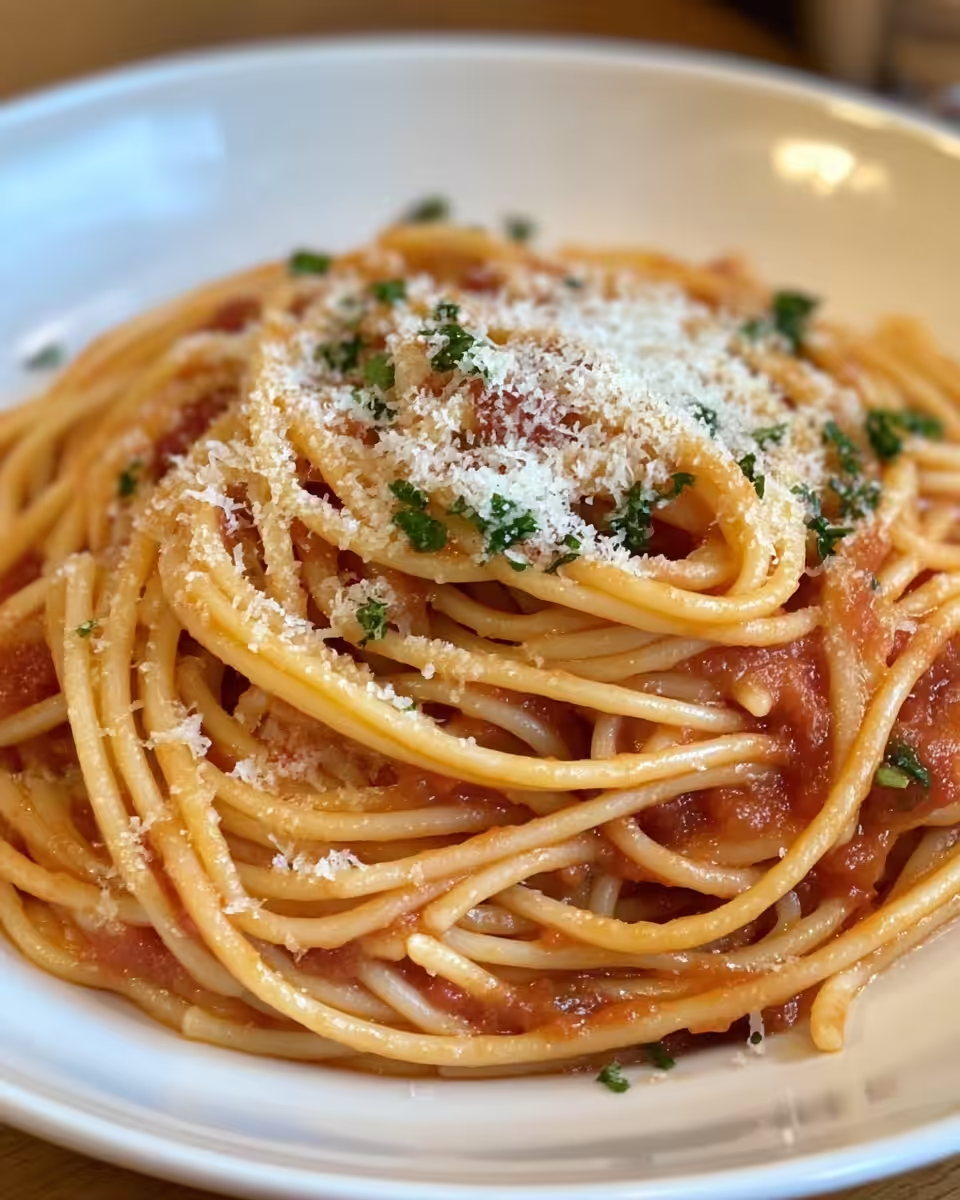
You spot the thick, chunky stew bubbling under the lid after the slow release. The tender pull of beans and soft pasta swimming in that yummy broth promises comfort on a chilly night. You remember how simple ingredients like a bit of olive oil, carrot, and celery turn into something so satisfying when you let your pressure cooker do its thing.
Why Your Cooker Beats Every Other Pot
- The sealing ring traps steam tight, so flavors marry and stay bold in every bite.
- You get a tasty soup way faster thanks to that quick pressure build-up and valve hiss.
- Pressure cooking means beans get tender real good without hanging over the stove for hours.
- The slow release option helps your soup thicken up kinda nice and lets those flavors settle well.
- Your cooker keeps ingredients moist so that pasta doesn’t turn mushy but stays perfect.
- Cleanup is simpler 'cause you cook pretty much everything in one pot, no fuss.
The Complete Shopping Rundown
- 200 g dried borlotti beans 6 these are awesome for the thick and creamy texture you want.
- 2 tablespoon olive oil 6 brings that lovely richness and carries the garlic flavor right.
- 1 small onion, finely chopped 6 the base for your soup’s heart and soul.
- 1 garlic clove, minced 6 dang, garlic makes everything better right?
- 1 celery stalk, finely chopped 6 adds crunch and fresh notes.
- 1 carrot, finely chopped 6 sweetness that balances out the acidity from tomatoes.
- 400 g canned chopped tomatoes 6 the juicy, tangy base for your broth.
- 120 g small pasta like ditalini or tubetti 6 perfect little bits to soak up all that broth.
You also gonna need 1.2 liters of water or vegetable stock for cooking and don’t forget salt and pepper to bring the whole pot alive. Fresh parsley chopped on top is the crown on your effort and adds that fresh pop when serving.
Walking Through Every Single Move
First thing’s first, soak those dried borlotti beans overnight in plenty of water. This softens them up real nice for pressure cooking later. Next day, drain and rinse 'em well so any dirt or outer bits get washed off.
Put the beans in your pressure cooker pot with fresh water and set it to boil. Let it simmer for about an hour until the beans get a tender pull. When that happens, drain 'em but save 'em aside for now.
Heat 2 tablespoons olive oil in the pot on medium heat. Toss in the chopped onion, garlic, celery, and carrot. Stir and cook these for 5 to 7 minutes until they soften and smell sweet and tender.
Then add your canned tomatoes. Stir it gently and let it cook for five minutes more so flavors mingle well. You might hear your cooker start to hiss a little as the steam gets trapped behind the sealing ring.
Now stir in your tender beans, pour in the water or veggie stock, and salt and pepper to taste. Close the lid and seal it up tight. Bring it up to pressure and then let it cook for about 15 minutes before you do a slow release to keep the soup rich and thick.
Finally, add the pasta and cook it just long enough to get al dente, about 8 to 10 minutes. Do a quick release to stop the cooking fast so the pasta keeps a nice bite. Serve hot with parsley sprinkled over. You gonna love it.
Easy Tweaks That Make Life Simple
- Use canned beans instead of dried if you forgot to soak 6 just reduce the cooking time for beans to 10 minutes.
- Swap water for vegetable stock for an even deeper, richer flavor without extra steps.
- Add a pinch of crushed red pepper flakes while cooking if you want a little heat in your soup.
- Use fresh pasta for even quicker cooking but watch closely so it don’t get mushy in your pot.
These shortcuts help you whip this dish real quick when your day gets hectic or you just wanna eat without fuss.
What It Tastes Like Fresh From the Pot
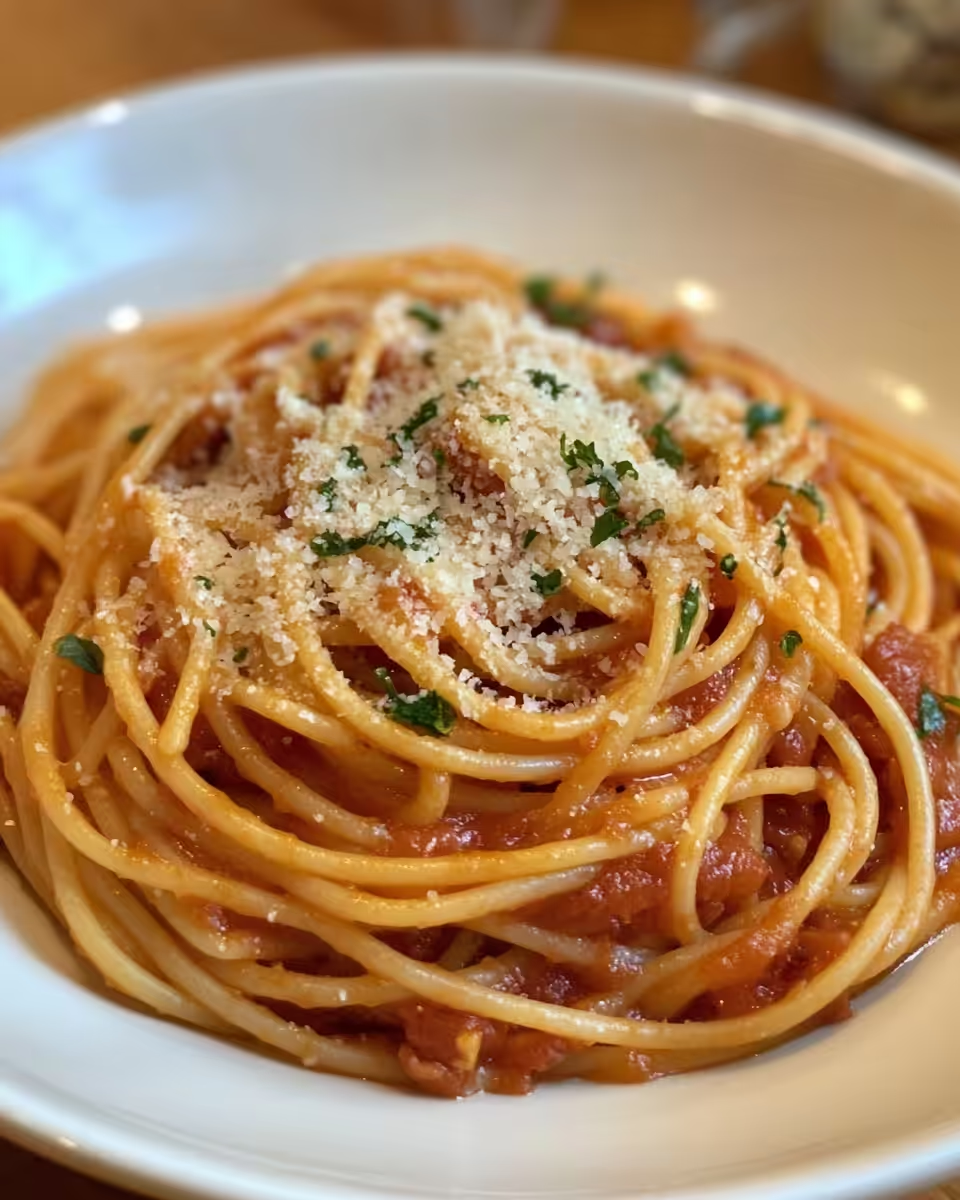
When you dig your spoon in, the first thing you notice is the thick comforting texture. Beans almost melt in your mouth next to the little pasta bits that soak up all the rich broth. The flavors feel cozy, kinda homey, like a big bowl of warmth on a cold day.
The tomato tang balances the natural sweetness from carrots and celery perfect. Garlic and onion add layers of gentle punch, while parsley on top brings fresh bright notes that take every bite up a notch.
The broth is hearty but not heavy, with enough garlic and olive oil flavor to feel rich without making it too greasy. Every mouthful surprises you with little bursts from seasoned beans and pasta that pull apart nice and tender. Dang, it’s satisfying.
Your Leftover Strategy Guide
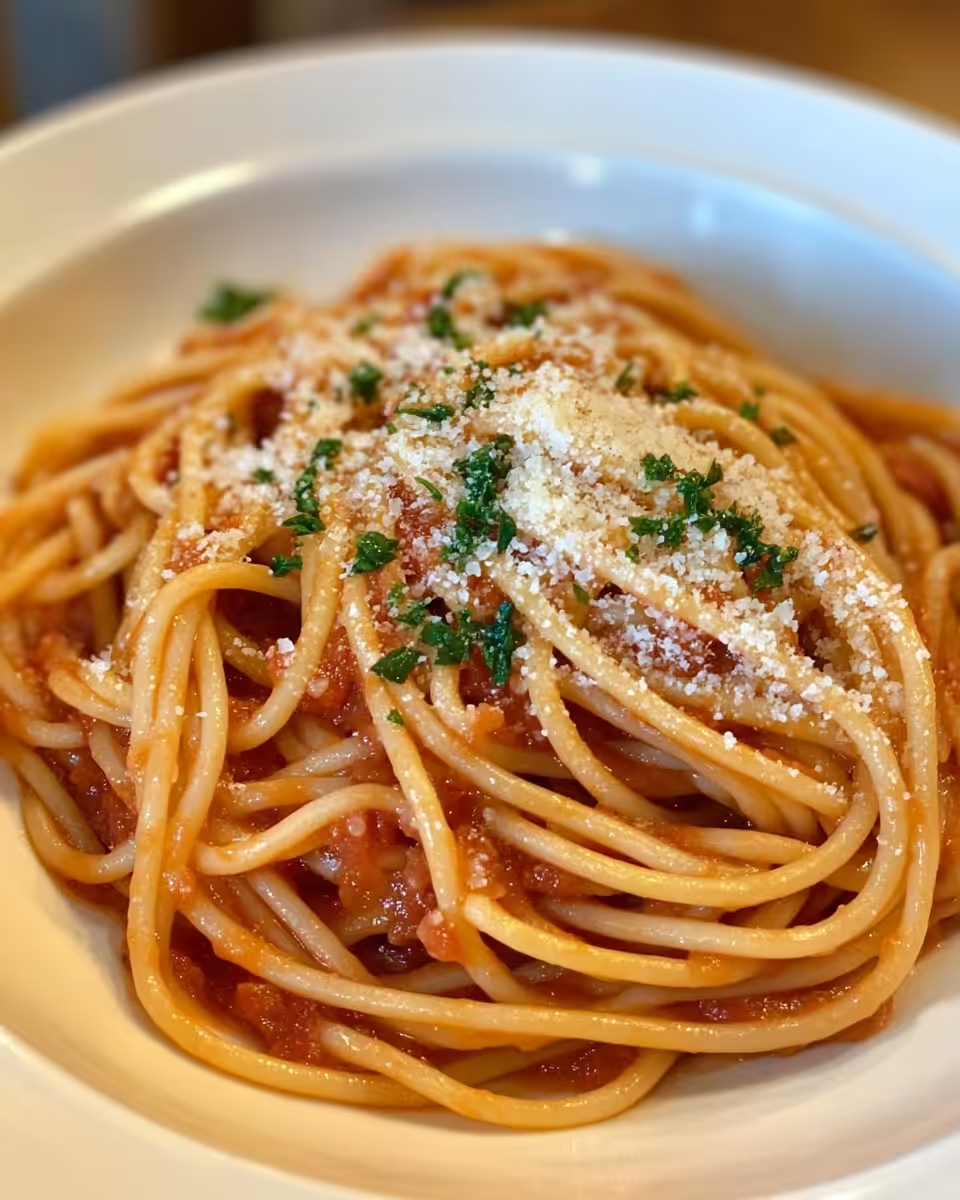
Store your leftovers in an airtight container and pop it in the fridge for up to 3 days. When reheating, add a splash of water or broth so it doesn’t dry out and stir gentle until warm through.
You can freeze soup in meal-sized containers with some room on top. When thawing, defrost overnight in the fridge before reheating on low heat. This keeps the pasta and beans from turning too mushy.
If you spot any thicker soup after storage, thin it with a little broth or water and stir to loosen. To bring back fresh taste, sprinkle extra chopped parsley or some grated cheese when serving.
Using the quick release helps cool your leftovers faster too, making it safe and easy to pack up. Leftovers come out almost as good as fresh if you handle them right.
The FAQ Section You Actually Need
- Can I skip soaking beans overnight? Yeah, but your beans might be tougher. You can pressure cook them longer or use canned beans if you’re rushed.
- What pasta works best? Small kinds like ditalini or tubetti hold soup well and don’t get soggy fast.
- What’s the sealing ring for? It keeps steam inside so your pressure cooker builds pressure and cooks food evenly.
- Should I do quick or slow release? Slow release helps the soup thicken, but quick release after pasta keeps it from overcooking.
- Can I use meat stock instead of veggie stock? Sure thing. It adds a different depth but keep the seasoning balanced.
- How do I avoid mushy pasta? Add pasta last and cook just until tender, then quick release the pressure so it stops cooking right away.
Coochinando Pasta e Fagioli
Equipment
- 1 Pressure cooker
- 1 Cooking spoon
Ingredients
Main Ingredients
- 200 g Dried borlotti beans
- 2 tablespoon Olive oil
- 1 Small onion finely chopped
- 1 clove Garlic minced
- 1 Celery stalk finely chopped
- 1 Carrot finely chopped
- 400 g Canned chopped tomatoes
- 120 g Small pasta like ditalini or tubetti
- 1.2 liters Water or vegetable stock
- Salt and pepper to taste
- Fresh parsley chopped, for garnish
Instructions
Instructions
- Soak dried borlotti beans overnight in plenty of water, then drain and rinse well.
- Place beans in the pressure cooker with fresh water. Simmer for 60 minutes until tender, then drain and set aside.
- Heat olive oil in pot over medium heat. Add onion, garlic, celery, and carrot. Sauté for 5-7 minutes.
- Add canned tomatoes and cook for another 5 minutes to blend flavors.
- Stir in the cooked beans, pour in stock or water, and season with salt and pepper.
- Seal lid and bring to pressure. Cook for 15 minutes, then do a slow release.
- Add pasta and cook for 8-10 minutes until al dente. Do a quick release after.
- Serve hot with chopped fresh parsley sprinkled on top.


Leave a Reply